
I’m Bored. Are We There Yet ?!
How a Bit of Boredom is Beneficial for Kids, and What Adults Can Do to Manage It
By: Dana Dodds-Formaneck, LPC-A
As adults, we cringe when we hear it – and if we take a moment to check in with ourselves, the rub isn’t primarily because of the phrase itself or because it is coming from kids; it is because we know what it feels like to be bored and because we receive the complaint as a condition we are obligated to take responsibility for.
So first, take a deep breath in; let it out long and slow.
Now that you have done something to regulate yourself [see what I did there? ☺ covert counseling move], remind yourself that your kids’ boredom is not your responsibility.
Take another deep breath in; release it slowly and completely.
Your boredom is your responsibility. I know: ouch. Our kids don’t like to feel bored, and neither do we. Just as we are incapable of regulating others before we have regulated ourselves, it doesn’t make sense to expect to be able to help our kids get the best out of boredom if we aren’t practicing managing our own.
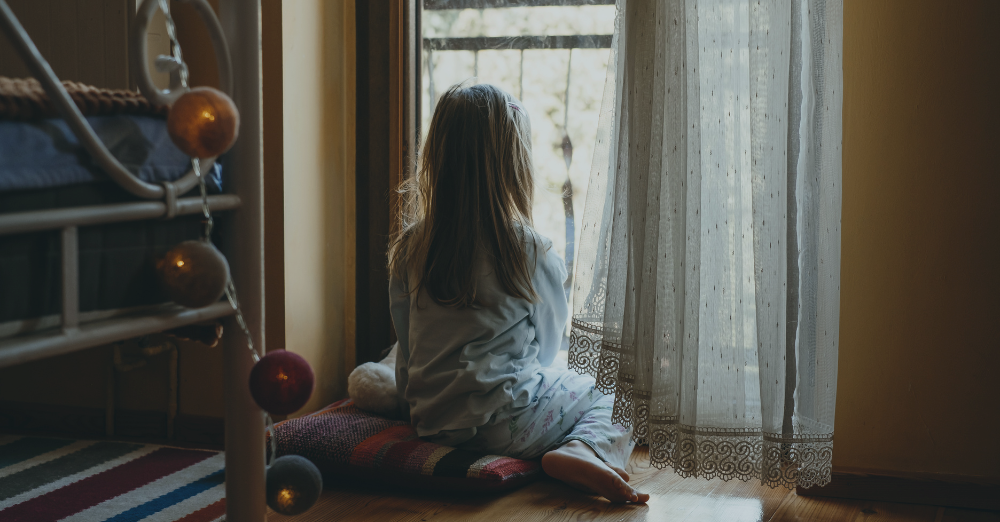
So, consider the effort to capitalize on the benefits of boredom an opportunity to grow together with the kids in your life.
Benefits of Boredom - For Adults and Kids!
Boredom provides an opportunity to exercise agency and to collaborate with others
Boredom is a catalyst for creativity
Boredom promotes problem solving
Boredom gives brains and bodies a break from nearly constant stimulation
Leading the Way
Think about how you as an adult are modeling what you do with downtime. Has it become reflexive to refer to your phone for distraction? Perhaps you wonder, “Who has downtime?”. Sometimes out of necessity and other times in an attempt to stave of inactivity, all the minutes of everyday are accounted for. It is challenging to take some back! If you think small instead of big, there are little adjustments that render significant difference.
Here are some examples:
in a waiting space, read a book, draw, or journal instead of checking your email, text messages, social media, or watching a screen
keep a deck of cards in your pocket or bag – there are many games that can be played alone or with others
keep a piece of rope or an old shoelace or string on hand and practice tying knots
try sitting still and quiet for increasing increments of time – 30 seconds seems long at first, so be easy on yourself!
notice what you think about if you leave off the radio in the car or sit without a distraction when waiting; paying attention to what we automatically think about helps us get to know ourselves better
Building these practices into our daily lives forms habits that help increase our self-awareness and stretch our capacities for creativity, problem solving, autonomy, collaboration, and our ability to be present. Including our kids models for them and guides them into growing in these areas as well.
Connection, Agency, & Collaboration
Our own experiences of boredom provide a connection point with our kids. When they inform you they are bored, you can respond with empathy. Saying something such as “Ugh, I understand what it feels like to be bored – and I don’t like that feeling either!” validates their emotion and draws on shared experience. From the foundation of connection, we as adults have the opportunity to invite kids to take ownership of their feeling and practice agency in addressing it. This might be phrased “Do you have any ideas of things to do? ” When kids can’t come up with solutions, the next response might include an assurance of being with them in their experience and an offer to collaborate: “What do you think we can do about it? ”. If neither of these invitations are effective in activating autonomy or stimulating kids’ idea formulation, and especially if this is a new process for them, we can model and collaborate. “It helps me to have a list of things I can do when I start to feel bored. Let’s make a list for you.” When multiple children are involved, it can be useful to create lists of things kids can do together and individually. Having children work together to make lists is another approach that promotes teamwork and togetherness.
Creativity & Problem Solving
Coming up with ideas of what to do when boredom begins to get the better of us engages the creative and problem solving parts of our brains. When we come up with solutions to the problem of being bored, we challenge ourselves to think about situations and resources in new ways. Presenting this as a game is an inviting way to engage our kids in building these capacities, especially when we are out of practice or feeling uninspired.
Here are some examples :
in a waiting space we might task youngsters to use the contents of our bags or any items immediately available [magazines, pens, clipboards, chairs, etc] to build a structure or maze or race course or scene
when waiting, when driving in the car, when unsure of what to do at home or away, we might ask kids to come up with a song or poem about being bored, or a favorite food/animal/color/pet
we can require kids to try something they don’t think they are interested in or capable of for five minutes; probably, everyone will be surprised about how quickly the time passes and what the activity or task evolves into
A Break From Nearly Constant Stimulation
For humans of all ages, even one minute of stillness is beneficial. When we can still our minds and our bodies, when we can attend to our thoughts and emotions and sensations, even if only for some seconds, we are reclaiming ownership of our attention and reconnecting with ourselves. Especially in an environment where it is effortless to constantly have our attention claimed and to remain distracted, we must intentionally quiet the noise and imagery that are always available, engage our brains in attending to our own thoughts and feelings, make meaningful connections with others, and be still. Making time daily to separate ourselves from distractions and inputs regulates our heart rates and blood pressures; it increases our self-awareness; it allows for meaningful connections with others; it promotes being present in the here and now; it exercises our agency, creativity, problem solving, and even the way we process information and experiences. Adults need this as much as kids, and kids need adults who will model and participate in building in breaks and welcoming regular moments of quiet stillness and intentional interpersonal interaction.
You’re Only Bored If You’re Boring
That’s what my dad told me when I was a kid. Instead of a putdown, he meant it as a challenge. Think of boredom as an opportunity or invitation; doing so takes the edge off of the uncomfortableness and threat that we are inclined to empower it with. Boredom is telling us something: our brains and our bodies want things to think about and to do. Instead of looking for someone or something to provide relief for us, we can take advantage of the invitation of boredom to benefit our capacities to create, problem solve, practice agency, collaborate, and be.
Adults, let’s capitalize on the benefits of boredom and grow together with kids. Summer is an excellent season to tap into this potential!
